Equipment
Lift and Transfer Devices
This page is sponsored by
For individuals living with mobility disabilities — and for the families and caregivers who support them — safe movement during daily activities can become one of the biggest challenges at home. Tasks like getting out of bed, moving to a wheelchair, using the toilet, or entering a bathtub may require physical assistance and can place strain on both the individual and the caregiver.
Fortunately, lift and transfer devices can significantly improve safety, independence, comfort, and quality of life.
Whether you are exploring options for home care, rehabilitation, aging in place, or long-term disability support, understanding the different types of devices available can help you choose the right solution for your needs.
Why Lift and Transfer Devices Matter
Transfers are among the most physically demanding tasks caregivers perform. Improper lifting techniques can lead to:
- Falls and injuries
- Shoulder and back strain
- Caregiver musculoskeletal injuries
- Reduced independence
- Fear and anxiety during movement
Assistive transfer equipment helps reduce these risks while making everyday activities safer and more comfortable for everyone involved.
These devices are used in:
- Private homes
- Assisted living residences
- Hospitals
- Rehabilitation clinics
- Long-term care facilities
What Is the Difference Between a Lift Device and a Transfer Device?
Although the terms are often used together, they serve slightly different purposes.
Lift Devices
Lift devices mechanically raise or lower a person who cannot safely move independently.
These are ideal for:
- Individuals with little or no weight-bearing ability
- People requiring full assistance
- Caregivers needing safer lifting support
Transfer Devices
Transfer devices assist movement between surfaces without fully lifting the person.
These are often used by individuals who:
- Have some upper body or leg strength
- Can partially assist with movement
- Need support for stability and safety
Types of Lift Devices
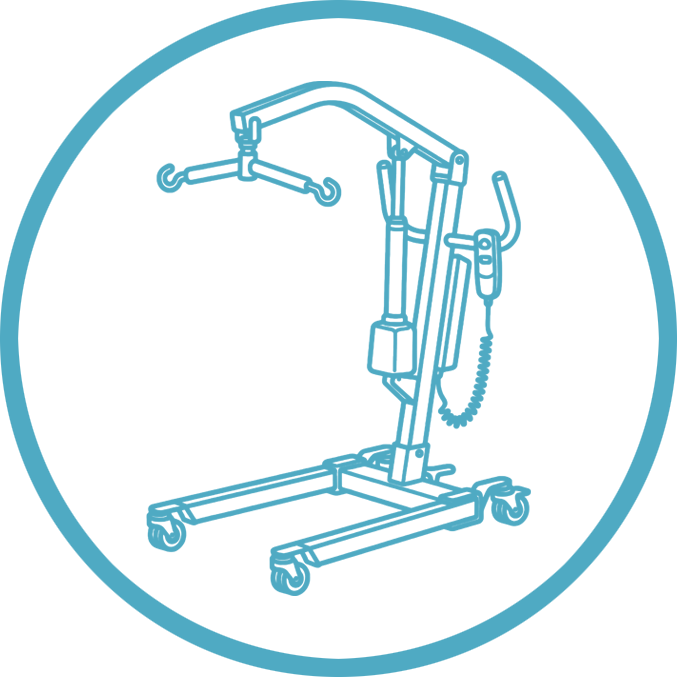
Patient Lifts (Full-Body Lifts)
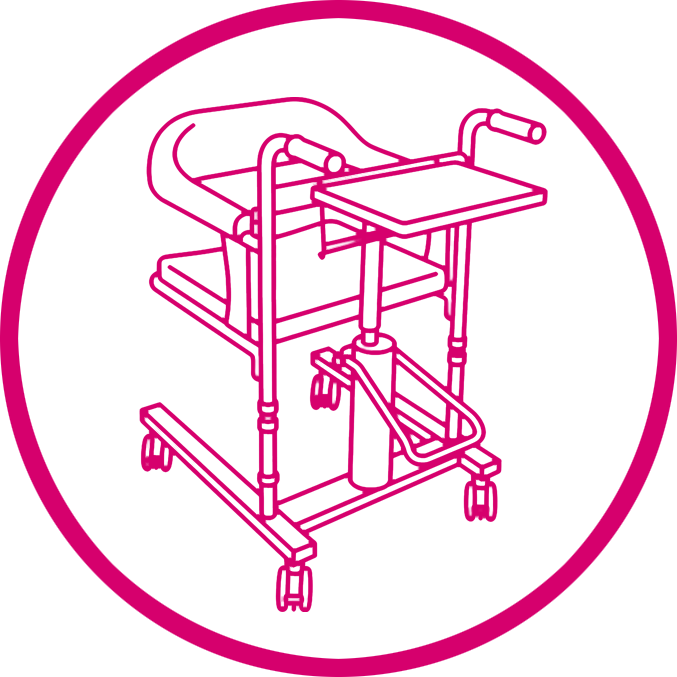
Patient lifts are among the most common mobility assistance devices.
They are designed to safely transfer individuals between:
- Beds
- Wheelchairs
- Toilets
- Chairs
- Floors
Most patient lifts use a sling system that cradles the individual during transfer.
Manual (Hydraulic) Lifts
Manual lifts use a hand-operated pump system.
Benefits
- More affordable
- No electricity required
- Durable and reliable
- Good for occasional use
Considerations
- Requires physical effort from the caregiver
- Less ideal for frequent transfers
Electric Patient Lifts
Electric lifts use a motorized lifting mechanism controlled by buttons or a handset.
Benefits
- Reduces caregiver strain
- Smooth and comfortable lifting
- Better for frequent daily use
- Ideal for heavier individuals
Key Features
- Adjustable bases for wheelchairs
- Locking casters
- Emergency lowering systems
- Foldable or portable options
- Bariatric weight capacities
Considerations
- Higher cost
- Requires charging or power access
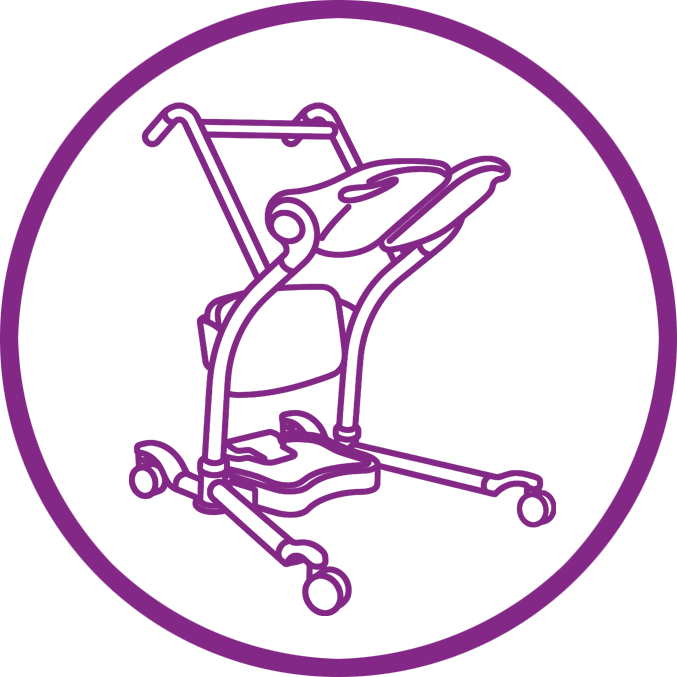
Sit-to-Stand Lifts
Sit-to-stand lifts help individuals move from sitting to standing positions.
They are designed for people who still have:
- Some leg strength
- Partial weight-bearing ability
- Ability to participate in transfers
Common Uses
- Toilet transfers
- Rehabilitation
- Assisted standing
- Maintaining muscle activity
Benefits
- Encourages mobility and participation
- Smaller footprint than full-body lifts
- Faster transfers
- Reduced caregiver strain
Best For
- Stroke recovery
- Parkinson’s disease
- Multiple sclerosis
- Post-surgical rehabilitation
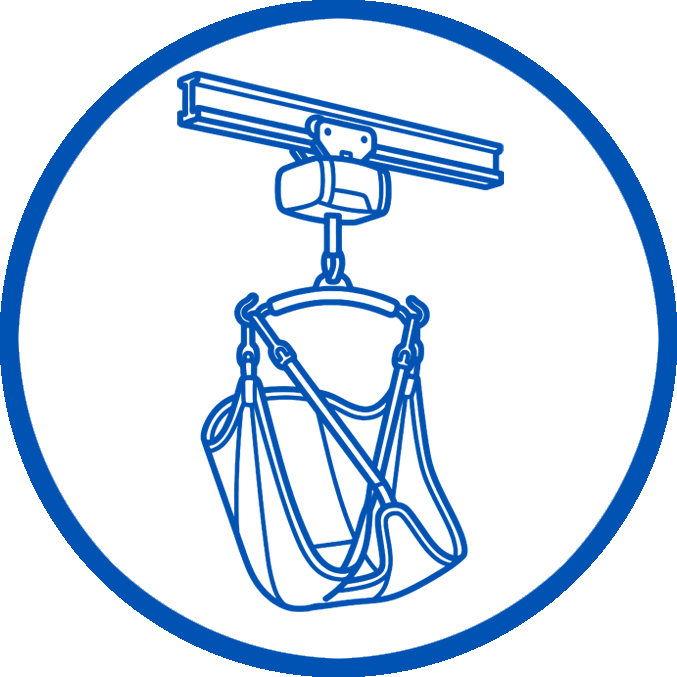
Ceiling Track Lifts
Ceiling lifts are mounted on overhead tracks and move along a rail system.
Benefits
- No floor clutter
- Easier transfers in tight spaces
- Smooth movement between rooms
- Reduced caregiver effort
- Excellent for long-term home care
Considerations
- Requires installation
- Higher upfront cost
- Structural support needed
These systems are especially useful in:
- Small bedrooms
- Accessible bathrooms
- Long-term disability care
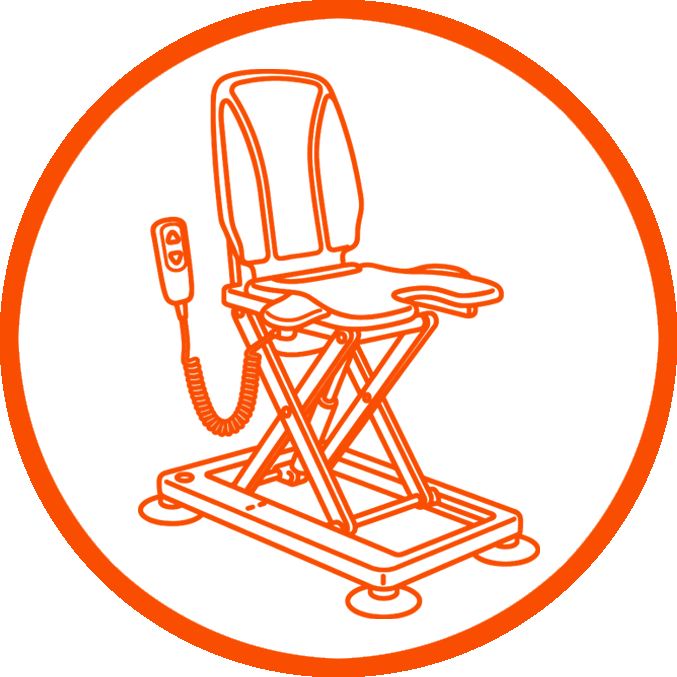
Bath Lifts
Bath lifts help individuals safely enter and exit bathtubs.
Bath Lift Features
- Waterproof seating
- Reclining support
- Battery operation
- Portable design
Portable Lifts
Portable lifts are lightweight, compact, and designed for flexibility.
Benefits
- Easy to transport
- Useful in multiple rooms
- No permanent installation
- Helpful for travel or temporary recovery
Portable lifts are ideal for:
- Rental housing
- Short-term rehabilitation
- Families needing flexible solutions
- Travel situations
Understanding Slings
Slings are one of the most important parts of a lift system. They provide support and security during transfers and come in many styles depending on the user’s needs.
Common Sling Types
Full-Body Slings
Provide maximum support for fully dependent individuals.
U-Slings
Offer moderate trunk support and are easier to position.
Toileting Slings
Allow access for hygiene and bathroom use.
Bathing Slings
Made from water-friendly mesh materials.
Standing Slings
Used with sit-to-stand lifts.
Proper sling fit is essential for:
- Safety
- Comfort
- Skin protection
- Fall prevention
Types of Transfer Devices
Not every individual requires a full mechanical lift. Many people benefit from transfer aids that support safer movement.
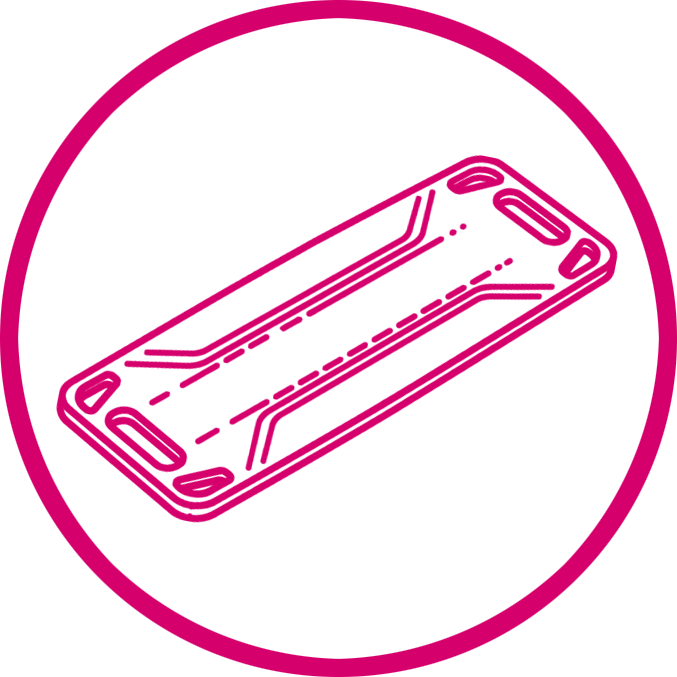
Transfer Boards (Sliding Boards)
Transfer boards bridge the gap between two surfaces, such as a wheelchair and bed.
Best For
- Wheelchair users with upper body strength
- Independent or assisted transfers
Benefits
- Portable
- Affordable
- Promotes independence
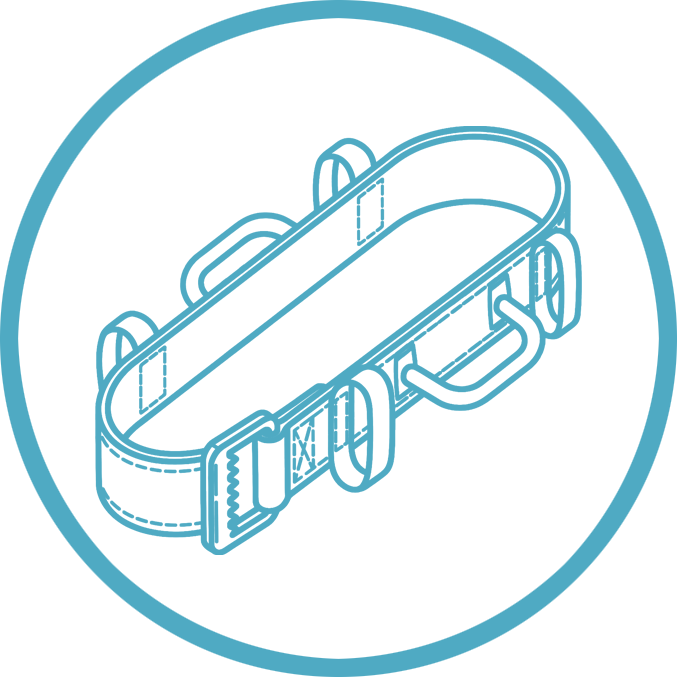
Gait Belts
Gait belts are worn around the waist to help caregivers assist with walking and transfers.
Benefits
- Better grip and stability
- Reduced fall risk
- Safer assisted movement
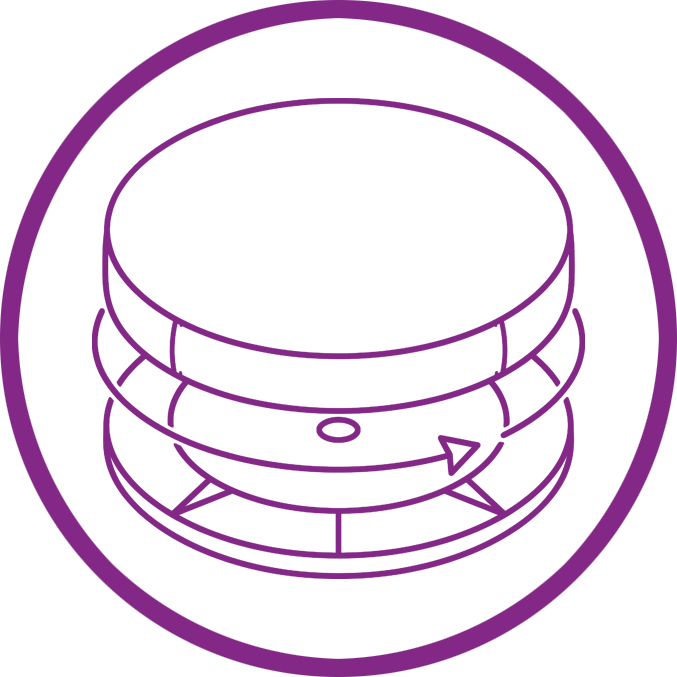
Swivel Cushions and Pivot Discs
These devices help users rotate safely during seated or standing transfers.
Best For
- Bed-to-chair transfers
- Limited mobility with some standing ability
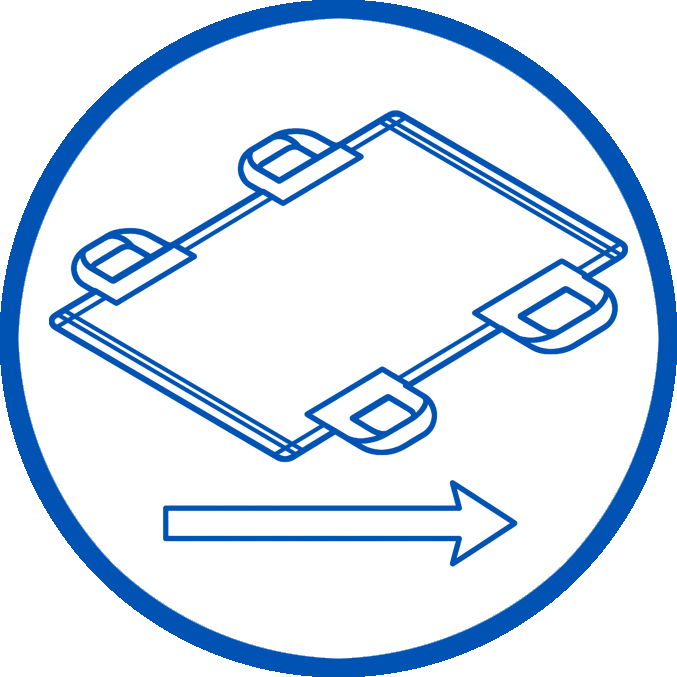
Slide Sheets and Transfer Sheets
Low-friction sheets help reposition individuals in bed.
Benefits
- Reduces caregiver strain
- Improves comfort
- Helps prevent skin injuries
Choosing the Right Device
The best mobility aid depends on the individual’s specific needs.
Important factors include:
Consideration
Why It Matters
Weight-bearing ability
Determines full lift vs transfer aid
Upper body strength
Impacts independent transfers
Caregiver support
Some devices require assistance
Home layout
Space affects lift selection
Frequency of transfers
Daily use may require electric systems
Portability needs
Important for travel or rentals
Medical condition
Different conditions require different supports
Budget and funding
Costs and coverage vary
Safety Tips for Caregivers and Users
- Consult an occupational therapist (OT) or physiotherapist (PT)
- Ensure proper sling sizing
- Learn safe transfer techniques
- Follow manufacturer weight limits
- Inspect equipment regularly
- Never improvise transfers without training
A poorly matched device can increase the risk of:
- Falls
- Pressure injuries
- Shoulder strain
- Equipment accidents
Lift and transfer devices can dramatically improve daily life for people with mobility disabilities and the caregivers who support them.
From full-body electric lifts to simple transfer boards, the right equipment can:
- Increase safety
- Reduce physical strain
- Support independence
- Improve dignity and comfort
- Help people remain at home longer
Every individual’s mobility needs are different, which is why professional assessment and personalized equipment selection are so important.
Our SCIO Service Navigation Coordinators can assist you in connecting with occupational therapists as well as reviewing funding options.
Our Peer Support Coordinators can connect you with a Peer Mentor to help provide practical advice for daily living.
With the right support and tools, safer and more comfortable movement is possible at home and in the community across Ontario.