Pee For Free #FundTheFight
Nobody Should Have to Empty Their Wallet Just to Empty Their Bladder.
But right now, across Ontario, people with disabilities are paying up to $1,000 a month just for the medical supplies they need to use the bathroom.
- That’s more than rent for many.
- That’s more than groceries for most.
- Yet, it’s still a reality in 2025.
This June, support SCIO by funding the fight so everyone can pee for free.
Access to Medical Supplies
#PeeforFree
SCIO has been working with the Government of Ontario to gain commitments on essential needs that prevent severe complications for people with an SCI and other disabilities. Our government needs to examine the public coverage programs that fund catheters and related supplies and fix systemic and cost deficiencies.
The pandemic proved how fractured our health care system is. The people of Ontario should not suffer needlessly.
33,000
FIVE
82%
78%
57%
of people who use uncoated catheters experience 4+ urinary tract infections per year
86%
4x
90%
Policy Report
Over the last year, Spinal Cord Injury Ontario (SCIO) has worked with over 100 people with a spinal cord injury (SCI) and a group of committed stakeholders to understand current challenges and gather feedback about how the Ontario government could modernize public coverage for intermittent catheters and other related supplies.
The SCIO Policy Report: A Path to Modernize Public Coverage in Ontario for Intermittent Catheters and Related Supplies is the output from these broad stakeholder consultations.
The purpose of the Policy Report is not only to inform and provide expertise to policymakers on the importance of bladder supplies and the consequences when the appropriate supplies are not prescribed or affordable. The report also provides 9 recommendations for how to improve procurement, get better value and provide people with what they need; simply and efficiently.
Report highlights
Nine recommendations for the next Government of Ontario
These steps can modernize the funding programs for individuals needing to use intermittent catheters and related supplies. They will improve procurement and provide people with what they need; simply and efficiently.
Reducing red tape and finding system efficiencies
Community Narratives
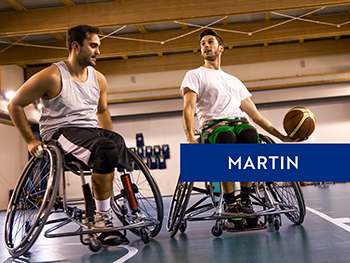
Martin, 30, is paralyzed from the neck down. His catheterization is performed twice per day by a PSW – the cost of bladder care supplies are a great source of stress. Supplies include external catheters, catheters for intermittent catheterization, iodine solution and sterile sponges, and gloves.
Sarah, 25 has an active lifestyle, working, playing sports and travelling the world. She has discovered the various types of catheters and has found that she prefers different ones depending on the circumstances. She irrigates her bladder every morning, requiring a syringe tipped catheter.
John, 62, receives dialysis three times a week to stay alive. John had an SCI 25 years ago that resulted in paraplegia. A complication of the injury was a neurogenic bladder, requiring him to catheterize. Over the years, John has continued to work.
Nicole, 14, is a teenager born with spina bifida. She has used various types of catheters, and learned to self-catheterize as a child. While catheterization is a fundamental part of her life, it impacts activities such as school and socializing. As a child, Nicole missed important milestones like birthday parties and sleepovers due to not having the right catheter.
– Dr. Dean Elterman