Rebuilding your life with a spinal cord injury takes resilience.
People with spinal cord injury are sharing tips to strengthen your resilience and help you in trying times.
Paralympic Gold Medalist Jon Thurston is getting things started.
Give resilience and help take the bite out of life with a spinal cord injury.
Jon battled cancer as a teen and then at 24 had to rebuild his life and independence after a storm collapsed a building and a steel beam on his back, leaving Jon with a spinal cord injury. At 42 Jon became a Paralympic Gold Medalist in curling and is on the Paralympic water ski team.
Take care of yourself.
Be physically active everyday.
Eat a healthy diet.
Get 8 hours sleep.
Do activities and hobbies you enjoy.
Find ways to relax and manage stress, try yoga, meditation, deep breathing, or guided imagery.
Check back, or follow us on social, different people with SCI’s will share their tips each month.
Resilience means being able to adapt to life's misfortunes and setbacks.
Resilience harnesses the inner strength to help you rebound from a setback or challenge. If you lack resilience, you might get stuck on problems or feel like a victim. You might feel burdened or turn to ways to cope that aren’t healthy, such as drug or alcohol use, eating disorders, or risky behaviors.
Resilience won’t make your problems go away. But resilience can help you see past them, find ways to enjoy life and better handle stress. If you aren’t as resilient as you’d like to be, you can learn skills to strengthen your resilience.
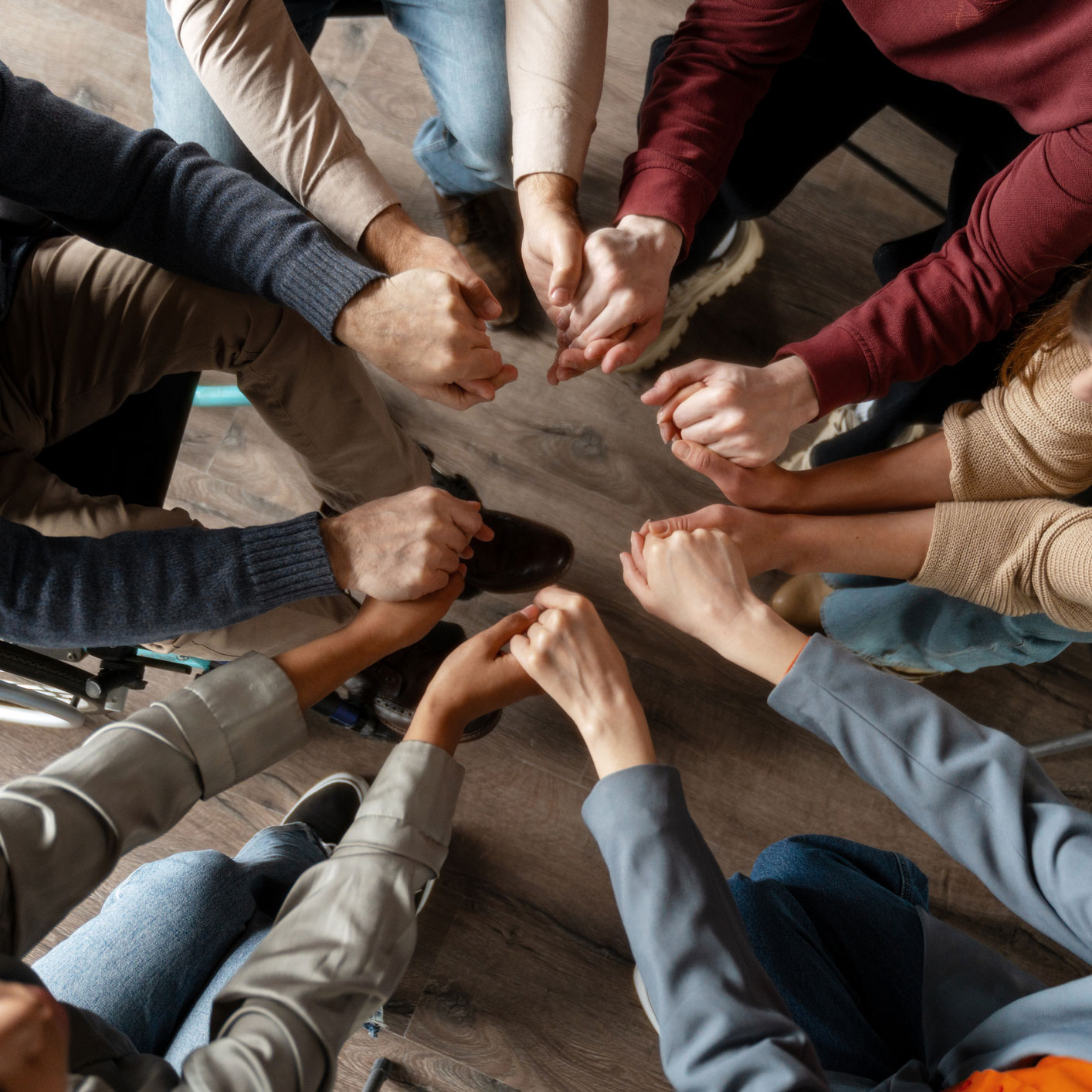
Resilience helps you cope with tough events. When something bad happens, you still feel anger, grief and pain, but resilience can help you keep going physically and mentally. Resilience isn’t about putting up with something tough or coping on your own. In fact, being able to reach out to others for support is a key part of being resilient.
Resilience can help protect you from mental health conditions, such as depression and anxiety. Resilience also can help you deal with things that increase the risk of mental health issues such as trauma. If you have a mental health condition, being resilient can help you cope better.
Getting more resilient takes time and practice. If you don’t feel you’re making progress or you don’t know where to start, talk with a mental health professional. With guidance, you can improve your resiliency and mental well-being.
Make certain help is there today and tomorrow for people who need it.