Equipment
Adaptive Equipment and Assistive Devices for People with SCI in Ontario
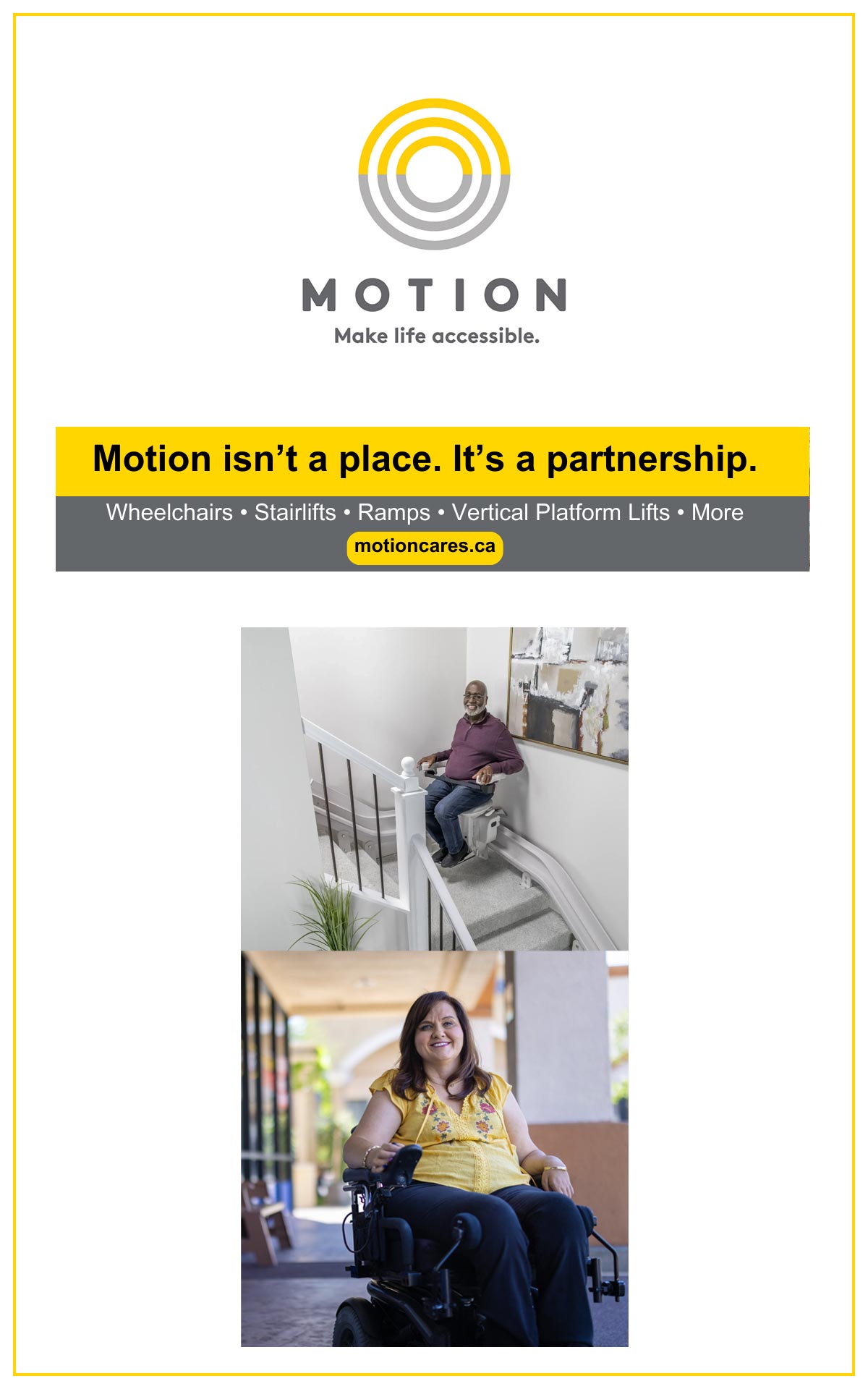
This page is sponsored by
Living with a spinal cord injury (SCI) often means using adaptive equipment or assistive devices to support mobility, independence, and safety in daily life. The right equipment can reduce pain and fatigue, protect your skin and joints, prevent falls, and help you participate more fully in your home, work, school, and community.
What are assistive devices?
Assistive devices (also called assistive technology) are tools or equipment designed to help people with disabilities perform daily activities more independently. For people with SCI, this can include everything from wheelchairs and walkers to seating systems, transfer aids, and adaptive technology for daily living.
These devices can support activities such as:
- Moving around safely at home and in the community
- Transferring to and from beds, toilets, or vehicles
- Managing daily routines like personal care, cooking, and household tasks
- Participating in work, school, recreation, and social activities
Common types of adaptive equipment for SCI
People with SCI may use a range of equipment, depending on their level of injury, function, and goals. Common categories include:
Mobility devices
- Manual wheelchairs
- Power wheelchairs, including chairs with tilt, recline, or elevating functions
- Walking aids such as canes, walkers, rollators or forearm crutches
Seating and positioning
- Cushions and back supports for posture and pressure injury prevention
- Specialized seating components to support stability and comfort
Transfer and access supports
- Transfer boards
- Bed rails or patient lifts
- Bathroom and toileting supports
The right fit and setup are essential. Occupational therapists (OTs) and physiotherapists (PTs) assess factors such as posture, skin health, shoulder protection, spasticity, home layout, and daily routines to ensure equipment meets both medical and lifestyle needs
Paying for adaptive equipment in Ontario
Ontario Assistive Devices Program (ADP)
The Assistive Devices Program (ADP) is a provincial funding program that helps eligible Ontario residents pay for mobility devices and related equipment. ADP may cover up to 75% of the cost of approved equipment, such as:
- Manual and power wheelchairs
- Cushions and back supports
- Walkers and other walking aids
To qualify, you must have a valid Ontario health card, a long-term physical disability, and a need for the equipment for at least six months. An ADP-authorized OT or PT must complete the assessment and application, and you must work with an approved vendor
Some people, such as those receiving ODSP or Ontario Works, may qualify for 100% coverage. Funding timelines and replacement periods apply (for example, wheelchairs are typically funded every five years).
How SCIO can help
Navigating equipment options and funding programs can feel overwhelming. Spinal Cord Injury Ontario (SCIO) supports people with SCI by helping them understand their equipment options and access available funding. Our Service Navigation Coordinators work alongside therapists and vendors to:
- Explore adaptive equipment options that fit your needs and goals
- Help obtain quotes and understand funding processes
- Identify additional funding sources for costs not covered by ADP
- Advocate for improved access to essential equipment
At SCIO, we believe adaptive equipment is more than just “equipment”—it’s a key part of independence, health, and quality of life for people living with spinal cord injury.